• Ferrari Luce, fully unveiled at Ferrari’s World Premiere event in Italy on May 25, features the industry’s first multi-layered OLED display structure combining two OLED panels with physical mechanical hands
• OLED technology from Samsung Display delivers visual depth and analogue-like interaction, supporting Ferrari’s distinctive interior design philosophy
• Samsung Display realizes stable, outstanding image quality in a display featuring the world’s largest hole through its proprietary HIAA (Hole in Active Area) technology
• Ernesto Lasalandra: “A seamless software and hardware integration delivering an unprecedented cockpit experience where Ferrari’s heritage and future-oriented technology coexist in harmony”
• Samsung Display: “A milestone collaboration built on longstanding HIAA expertise, expanding new possibilities for premium automotive design”
SEOUL, May 26, 2026 – Samsung Display announced today that it is exclusively supplying four OLED displays for the all-new Ferrari Luce. Unveiled by Ferrari during its World Premiere event held in Italy on May 25 local time, the Ferrari Luce’s innovative interior design was brought to life through Samsung Display’s advanced OLED technology.
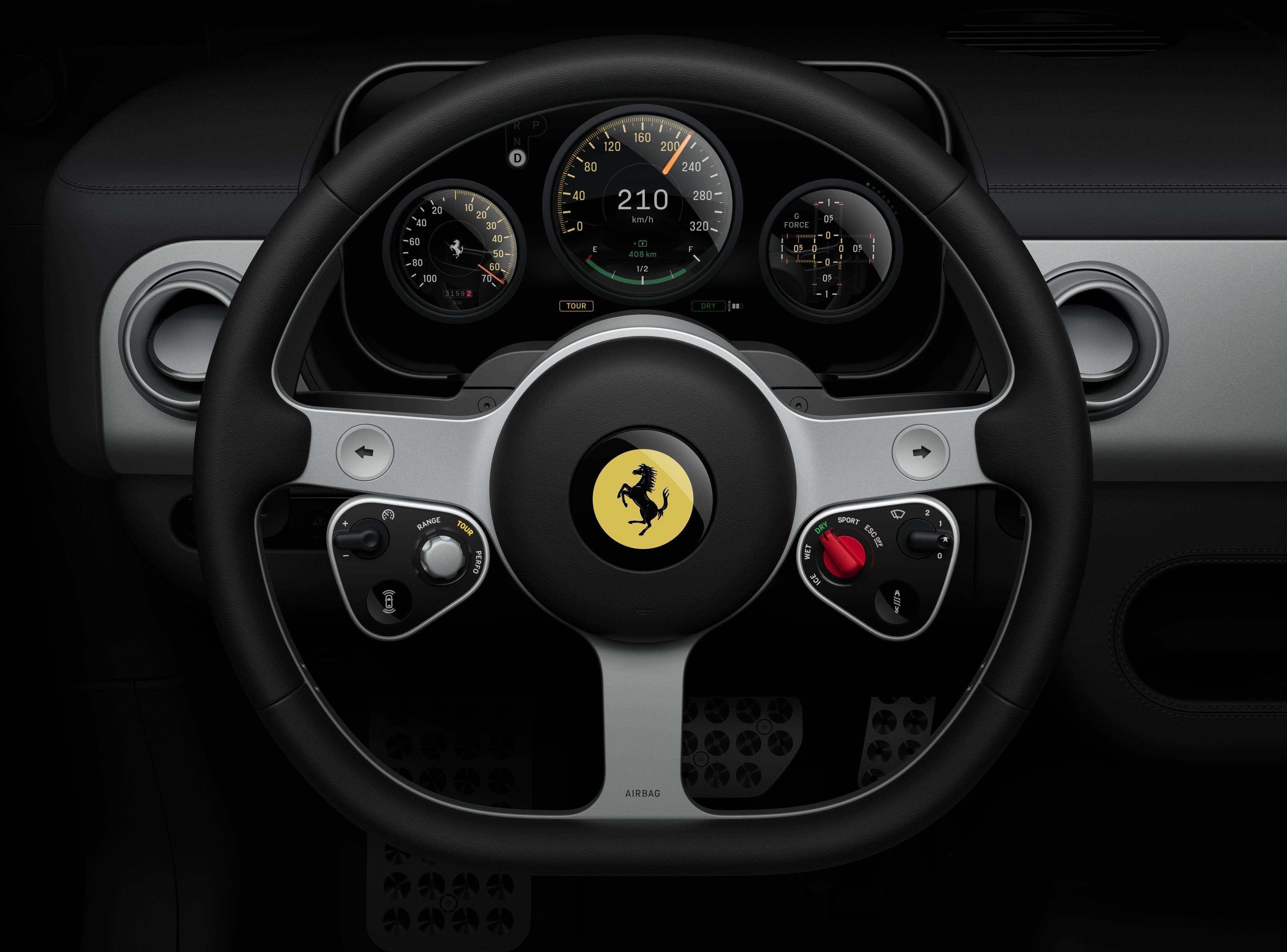
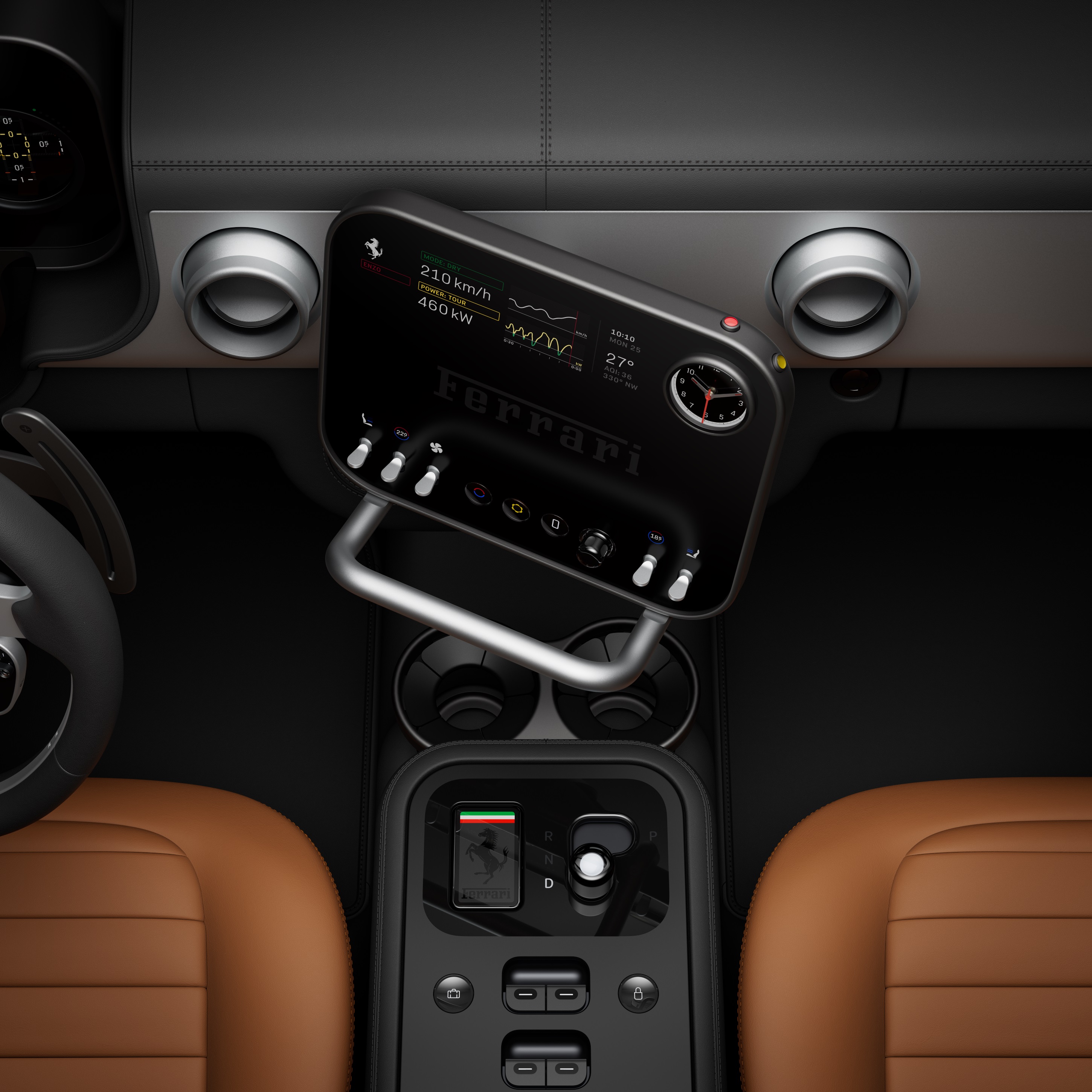
The Ferrari Luce features three digital display zones, including a binnacle positioned in front of the driver’s seat, a central control panel for climate and media controls, and a rear control panel that allows rear passengers to manage climate settings and view driving information. Samsung Display is exclusively supplying four OLED displays for these areas in 12.9-inch, 12-inch, 10.1-inch, and 6.3-inch sizes.
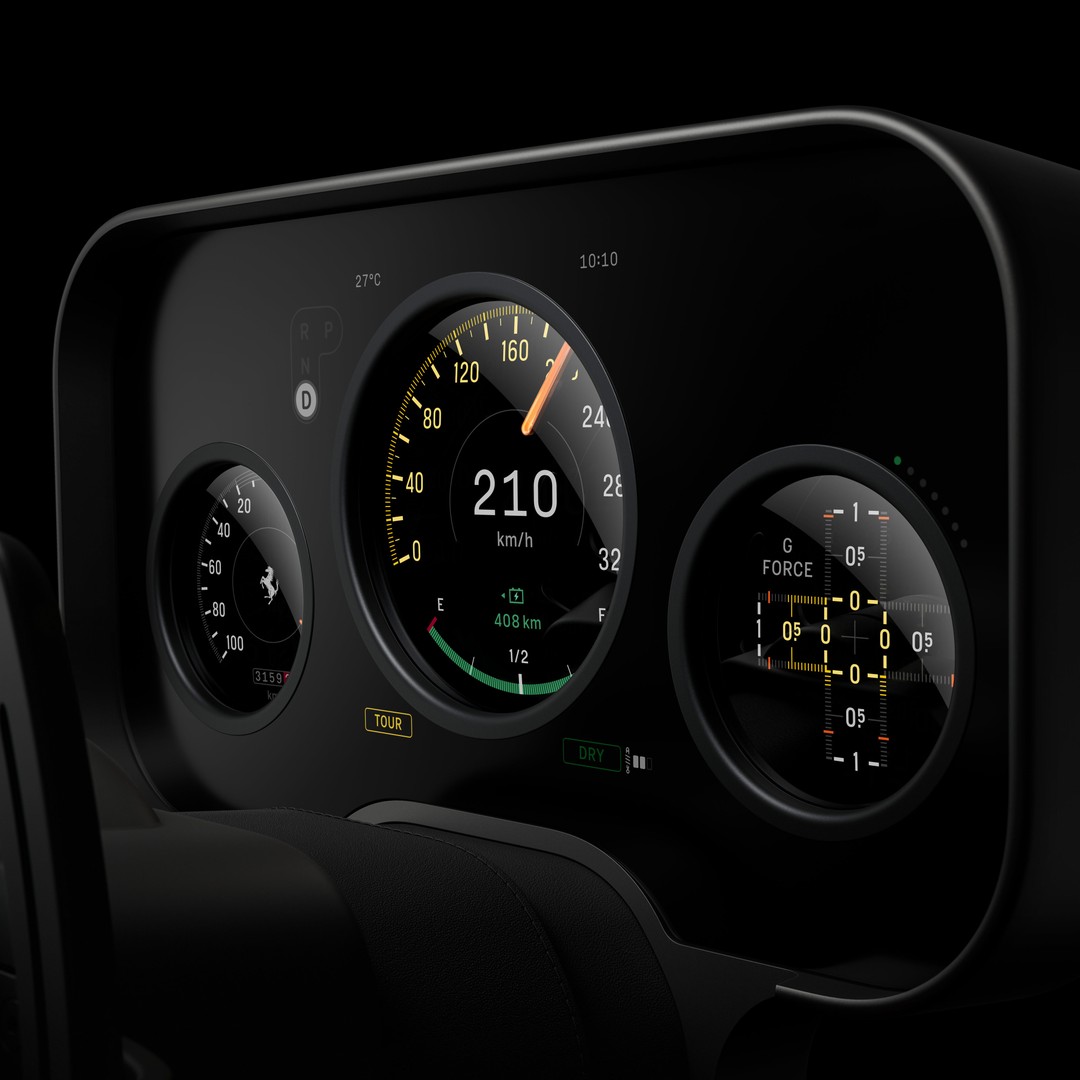
One of the most distinctive features is the driver's binnacle. Traditionally, a binnacle refers to the cluster structure containing the speedometer and driving information, where mechanical needles physically move in sync with the vehicle system to display speed information.
For the first time in the industry, the binnacle display of the Ferrari Luce adopts a multi-layered design based on the superposition of 12.9-inch and 12-inch OLED panels and openings cut into the upper layer to create a greater sense of visual depth and a more natural way of reading information. The lower 12-inch OLED panel displays the base background and gauge indexes, while the upper 12.9-inch OLED panel features three circular cutouts that allow the underlying display to remain visible. Around these openings, the upper display presents real-time torque-shift indicator, pop-ups and tell-tales.
This multi-layered design delivers an analogue-like sense of interaction that sets it apart from conventional two-dimensional digital displays. In particular, the physical mechanical hand move within the space created between the two panels, providing drivers with a more spatial interaction.
Samsung Display’s ability to support Ferrari’s distinctive design was made possible through its proprietary HIAA technology, particularly its precision ‘big hole’ processing capabilities. While typical smartphone frontfacing camera holes measure less than 5mm in diameter, the opening applied to the driver’s binnacle in the Ferrari Luce measures approximately 100mm – about 20 times larger.
In addition to applying sophisticated Thin Film Encapsulation (TFE) technology to protect the OLED organic materials along the cut edge from moisture and air, Samsung Display maintained stable signal transmission around the large hole area through its HIAA technology-based designs. Rerouting driving signals around such a big opening could otherwise have caused distortion or delays, affecting image uniformity and overall picture quality. By optimizing each design for the characteristics of the corresponding signal, the company addressed distortion and latency while maintaining uniform and stable image quality
across the display.
Samsung Display has accumulated extensive expertise in HIAA technology over many years, beginning with the industry’s first hole-display design introduced in 2019. Since then, the company has continued to advance display structures featuring holes formed directly within the active display area. Samsung Display currently holds more than 500 registered patents related to HIAA technology.
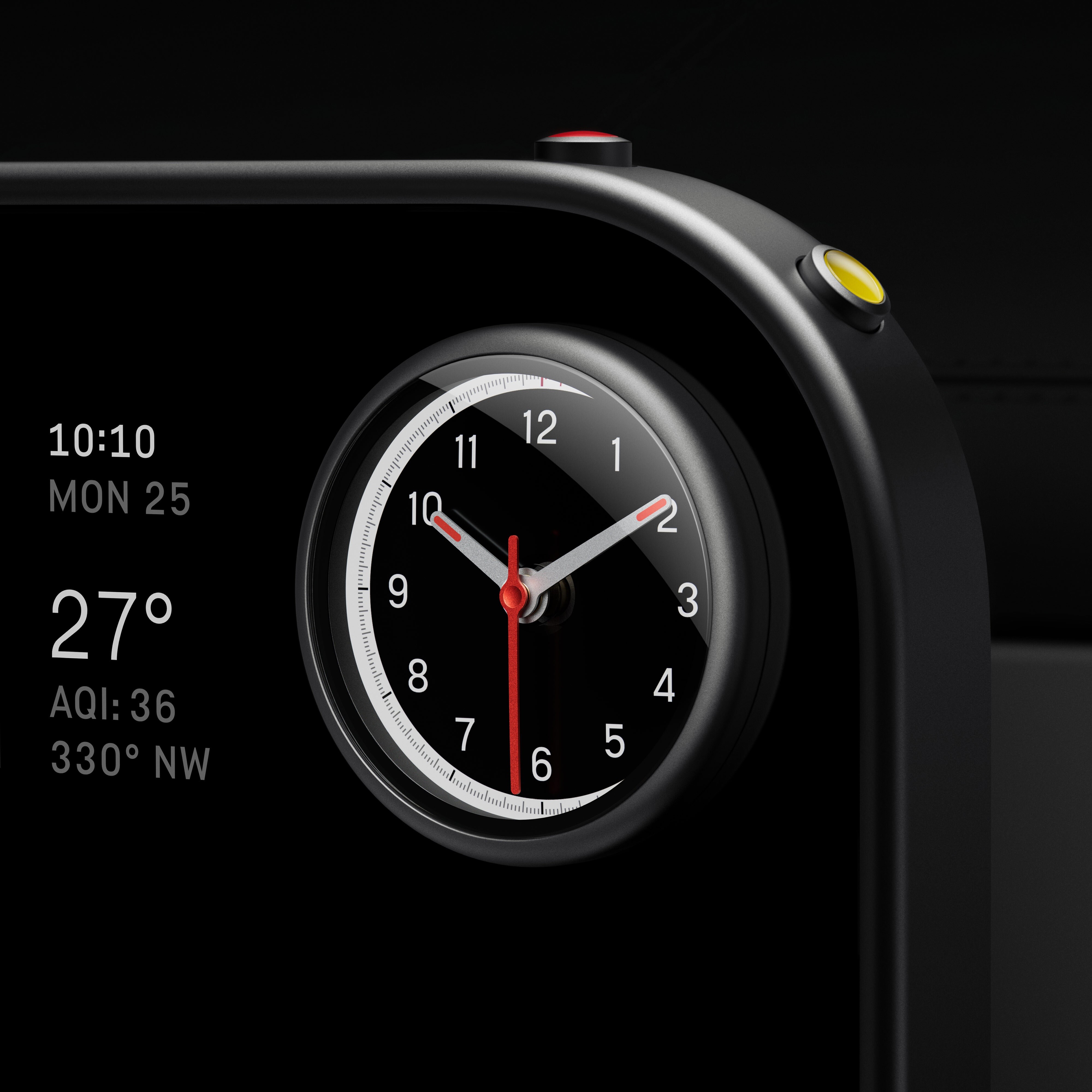
The advanced HIAA technology is also applied to the 10.1-inch OLED display integrated into the central control panel. Located at the top of the control panel, the multigraph digitally displays various modes including a clock, stopwatch, and compass, while three mechanical hands physically mounted through small perforations in the panel rotate 360 degrees in real time. A 6.3-inch OLED is also integrated into the rear passenger control panel behind the centre console, enabling passengers to conveniently access driving information and adjust climate settings.
The Ferrari Luce stands as a defining collaboration that highlights why OLED is ideally suited for premium automotive design. Unlike conventional LCD technology, OLED eliminates the need for a backlight unit and features a simpler structure, enabling greater design freedom and improving efficiency.
Ferrari envisioned displays that would integrate seamlessly with the surrounding binnacle modules, and Samsung Display supported this vision by processing OLED panels into freeform shapes combining straight lines and curves, moving beyond traditional rectangular layouts. OLED’s exceptionally slim form factor compared to LCD further enhanced Ferrari’s design flexibility.
“Samsung Display was able to fully support the Ferrari Luce’s design philosophy of seamless software and hardware integration,” said Ernesto Lasalandra, Ferrari Chief Research & Development Officer. “The allnew display system implemented in the Ferrari Luce delivers an unprecedented cockpit experience, where Ferrari’s heritage and future-oriented technology coexist in harmony.”
“The Ferrari Luce is a milestone car that demonstrates OLED’s technological advantages in enabling virtually any design while bringing together Samsung Display’s longstanding expertise. We will continue to introduce a wide range of differentiated solutions that expand the possibilities of future automotive design,” said Joohyung Lee, Executive Vice President and Head of Mobile Display Business at Samsung Display.